
MyDIGITAL Blueprint: Malaysia’s Digital Roadmap Explained
A breakdown of Malaysia’s digital transformation initiative, key objectives, and how it’s reshaping the nation’s economic strategy.
Read MoreExplore how smart manufacturing, IoT integration, and automation technologies are reshaping Malaysia’s industrial landscape and economic competitiveness.
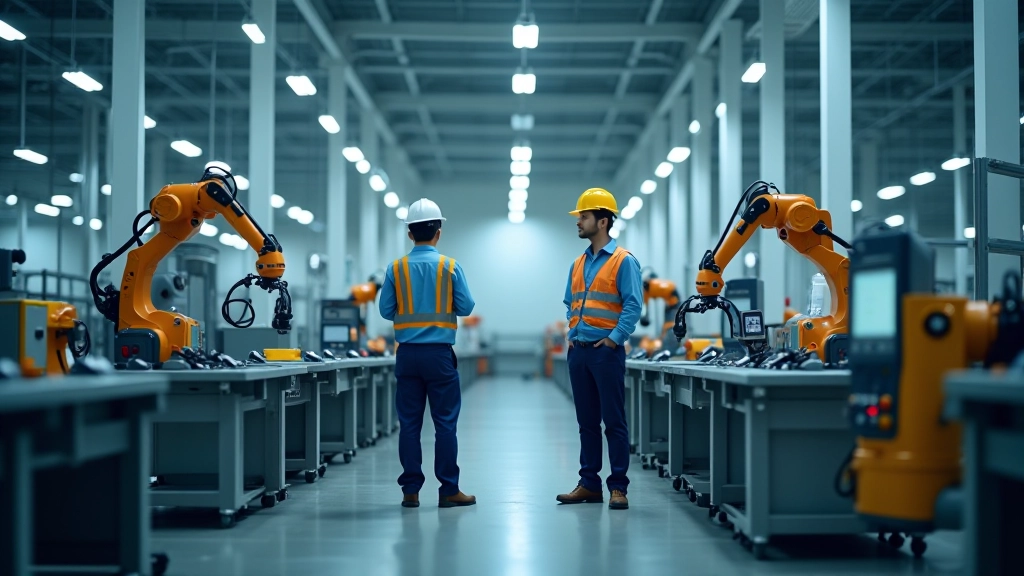
Malaysia’s manufacturing sector stands at a critical crossroads. Industry 4.0 isn’t just a buzzword anymore—it’s becoming the baseline for competitiveness. Companies that don’t adopt smart manufacturing technologies are already falling behind, and the gap keeps widening.
The integration of IoT devices, artificial intelligence, and automated systems into production lines isn’t theoretical anymore. It’s happening right now across Malaysian factories, from Penang’s electronics hubs to Johor’s automotive plants. The economic implications are enormous.
“Smart manufacturing isn’t about replacing workers—it’s about making them more productive and moving them into higher-value roles. That’s the economic shift we’re seeing.”
— Industry Analyst

When manufacturers talk about Industry 4.0, they’re really talking about three interconnected systems. First, there’s IoT—thousands of sensors embedded in machinery that collect real-time data about production. Second, there’s data analytics—the ability to process that information instantly and identify patterns. Third, there’s automation—systems that can adjust production parameters without human intervention.
For Malaysia’s economy, this matters tremendously. A factory running Industry 4.0 systems can increase productivity by 20-30% while reducing waste by up to 15%. That’s not just operational efficiency—that’s competitive advantage. Companies with these capabilities attract premium clients and can command higher margins.
Real-time machine monitoring and predictive maintenance reduce downtime by 30-40%
Processing production data instantly to identify inefficiencies and optimize workflows
Robotic systems and smart controls that adapt to changing production demands


Malaysia’s manufacturing sector contributes roughly 23% of GDP. That’s a massive part of the economy. When factories adopt Industry 4.0, the ripple effects spread quickly through the entire value chain. Suppliers get better orders, logistics companies optimize routes, and skilled workers move into technical roles that pay more.
Here’s what’s actually happening: Companies that’ve adopted Industry 4.0 are reporting 15-25% improvements in overall equipment effectiveness. That translates directly to increased export capacity and higher-quality products. Malaysia’s position as an electronics and automotive manufacturing hub depends on this technological leap.
The MyDIGITAL blueprint recognizes this. It’s not just about digital services—it’s about getting manufacturing itself into the digital age. Without it, Malaysian factories risk losing market share to competitors in Thailand, Vietnam, and Indonesia who’re already moving faster on these technologies.
You’d think every manufacturer would jump on Industry 4.0 immediately. The economics make sense. But there’s friction. Capital investment is substantial—retrofitting a factory with IoT sensors and analytics platforms costs millions. For smaller manufacturers, that’s a genuine barrier.
Then there’s the skills gap. You need technicians who understand both manufacturing and digital systems. Malaysia’s got talent, but not enough yet. Many companies struggle to find people who can implement these systems and maintain them afterward. Training takes time and money.

The government’s pushing hard on this. The MyDIGITAL initiative includes specific targets for manufacturing modernization. There’s funding available through various programs, and MDEC’s actively supporting adoption initiatives. That’s reducing some of the financial burden for companies willing to make the leap.
Within the next 3-5 years, we’ll likely see Industry 4.0 become standard practice rather than cutting-edge. Companies that’ve already adopted will have significant competitive advantages. Those waiting will find themselves struggling to attract premium contracts and export markets.
The economic modernization of Malaysia depends on this shift. It’s not just about factories producing more efficiently—it’s about creating high-value manufacturing that can compete globally. When a Malaysian electronics plant is running on Industry 4.0 systems, it’s not just more productive. It’s more valuable. It attracts better talent. It generates higher profits. That strengthens the entire economy.

Industry 4.0 adoption isn’t optional anymore—it’s the foundation for economic competitiveness. Whether you’re in manufacturing, supply chain, or policy, understanding these technologies and their impact matters.
The shift’s already happening. The question isn’t whether Malaysia’s manufacturing will modernize. It’s how quickly and how thoroughly. Companies that understand this dynamic will be positioned to thrive in the next phase of economic growth.
This article provides educational information about Industry 4.0 technologies and their economic implications in Malaysia. The data, statistics, and examples presented are for informational purposes and based on general industry knowledge. Specific circumstances vary by company, industry, and market conditions. Organizations considering Industry 4.0 implementation should conduct their own detailed assessments and consult with technology specialists and business advisors. This content doesn’t constitute professional advice for any particular business situation.